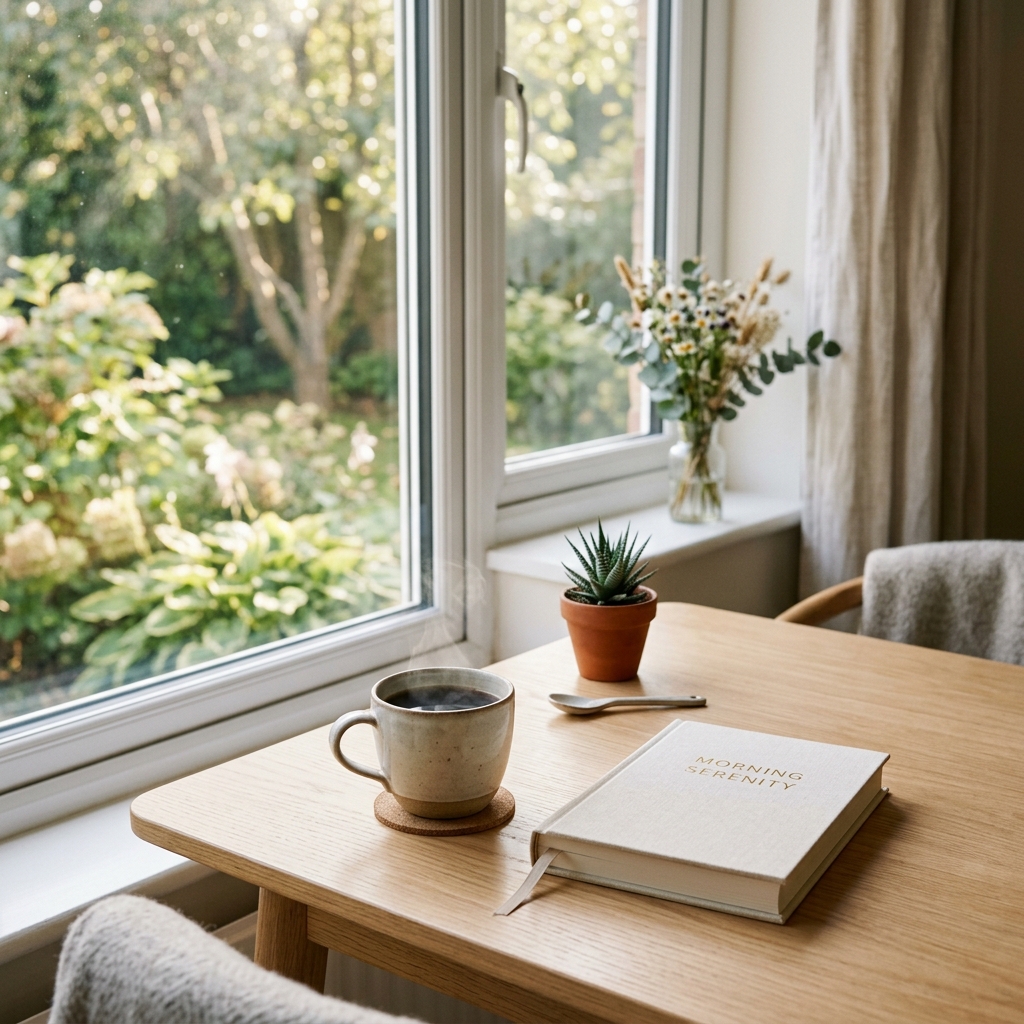
Hygge: The Danish Art of Cosy Wellbeing

Denmark consistently ranks among the world's happiest countries despite having some of Northern Europe's coldest, darkest winters. This is not accidental. The Danish have spent generations building cultural infrastructure for wellbeing that does not depend on weather, wealth, or circumstance. At the centre of this infrastructure is a concept that the rest of the world has been borrowing, often imperfectly: hygge.
Pronounced HOO-gah, hygge describes a quality of cosiness, warmth, and togetherness—an atmosphere of safety, ease, and unhurried presence. It is not a thing you can buy; it is a quality of attention you bring to ordinary moments.
What Hygge Actually Is (and Is Not)
| Hygge IS | Hygge IS NOT |
|---|---|
| Candles, warm drinks, comfortable clothes | Expensive home décor or Instagram aesthetics |
| Unhurried time with people you trust | Forced socialising or performative togetherness |
| Simple pleasures given full attention | Luxury or indulgence for its own sake |
| Psychological safety and ease | Happiness as an emotion or mood |
| Present-tense sensory awareness | Nostalgia or escapism |
The Neuroscience of Cosiness
The physical elements of hygge—warmth, soft light, social proximity, familiar tastes—activate a cluster of neurological and hormonal responses that shift the nervous system from alertness to safety. Warm ambient light (candles at ~1800K) signals the end of the day to the circadian system. Physical warmth triggers oxytocin release. Shared food and unhurried conversation activate the parasympathetic branch of the autonomic nervous system.
Hygge Without a Budget
- Light a candle when the working day ends. Let it signal the transition.
- Make a hot drink slowly and drink the first cup without a screen.
- Designate one evening per week as a hygge evening—no obligations, no productivity, no scrolling.
- Eat one meal per week at the table with people you care about, phones in another room.
- Put on warm, soft clothes at the end of the workday—a physical cue to the body that the performing self is off duty.
«Hygge is about an atmosphere and an experience, rather than about things. It is about being with the people we love, or being present in the moment.» — Meik Wiking, CEO of the Happiness Research Institute, The Little Book of Hygge
The Research Behind Why Comfort Works
The elements of hygge—warmth, soft light, familiar food, trusted company—are not arbitrary preferences. They map directly onto physiological states that signal safety and belonging to the nervous system. Evolutionary psychology offers a clear explanation: these cues tell the nervous system you are in a protected environment with your tribe, triggering a measurable shift from threat-vigilance to rest-and-repair mode.
Physical warmth has been shown to increase trust and reduce social defensiveness. A study by Williams and Bargh (2008, Science) found that holding a warm object activated the same neural circuitry as feelings of interpersonal warmth—processed by the insula, a brain region involved in emotion and interoception. This is why a warm drink in cold, isolated conditions produces a genuine (not merely imagined) sense of social comfort.
Candlelight at approximately 1,800–2,700 Kelvin mimics the colour temperature of firelight—the light humans evolved around before electricity. Bright overhead lighting at 5,000–6,500K signals midday and activates the alerting system via the hypothalamus. Warm candlelight signals evening safety and permits the parasympathetic system to activate. This is not interior design preference—it is chronobiology working as designed.
Social proximity and eye contact trigger oxytocin release—the neuropeptide associated with bonding, trust, and cortisol reduction. Unhurried shared meals consistently show stronger social bonding effects than rushed eating, even with identical food and company. It is the time and undivided attention that create the physiological benefit.
Hygge Through the Seasons
While hygge is most associated with dark Danish winters—and the contrast between harsh cold and indoor warmth is itself a hygge element—Danes practise it year-round. The content shifts seasonally; the underlying quality of presence and ease does not:
- Winter hygge: The archetype. Candles everywhere, thick wool, hot drinks, long evenings with people you trust. The darkness becomes a feature rather than a problem—a natural invitation to slow down and turn inward.
- Spring hygge: First outdoor coffees, the ritual of following sun around the garden or balcony. Flowers on the table. Windows open for the first time. There is a particular hygge in noticing the return of light—paying deliberate attention to what was absent.
- Summer hygge: Long outdoor evenings, bonfires, picnics that stretch for hours. Summer hygge resists hurrying. The long Nordic light is precious and Danes resist ending evenings that use it well. Shared simple food, no phones, full presence.
- Autumn hygge: The transition back inward. Harvest foods, knitwear retrieved from storage, the first evening when lighting a candle feels right again. There is a particular Scandinavian pleasure in this return—the hygge season feels like a homecoming.
Hygge vs. Comfort-Seeking: What's the Difference?
This distinction matters more than it might seem. Comfort-seeking and hygge share surface similarities—both often involve warmth, food, and withdrawal from demands—but their psychological functions are opposite.
Comfort-seeking is typically avoidant: a response to stress or overwhelm aimed at numbing or escaping an uncomfortable feeling. Scrolling social media, emotional eating, the Netflix session that runs two hours longer than intended—these are comfort behaviours. They may provide short-term relief but leave a residue of dissatisfaction, and they do not resolve the underlying state. They are rest from something.
Hygge is present-tense and intentional. It is not about escaping something—it is about fully inhabiting a moment of ease. The person practising hygge is not running from anxiety; they are choosing to rest, with attention. The candle lit at the end of the workday is a deliberate act of transition. The phone placed away is a choice for presence, not avoidance. The distinction is awareness and intention.
A simple test: after your comfort behaviour, do you feel rested or merely depleted? After a genuine hygge evening, most people report feeling restored—socially, physically, and emotionally. This is the difference between consumption and presence. Nordic wellness philosophy consistently emphasises this: rest that requires your full attention, not rest as escape from it. The warmth of hygge is not a numbing agent—it is an invitation to arrive.