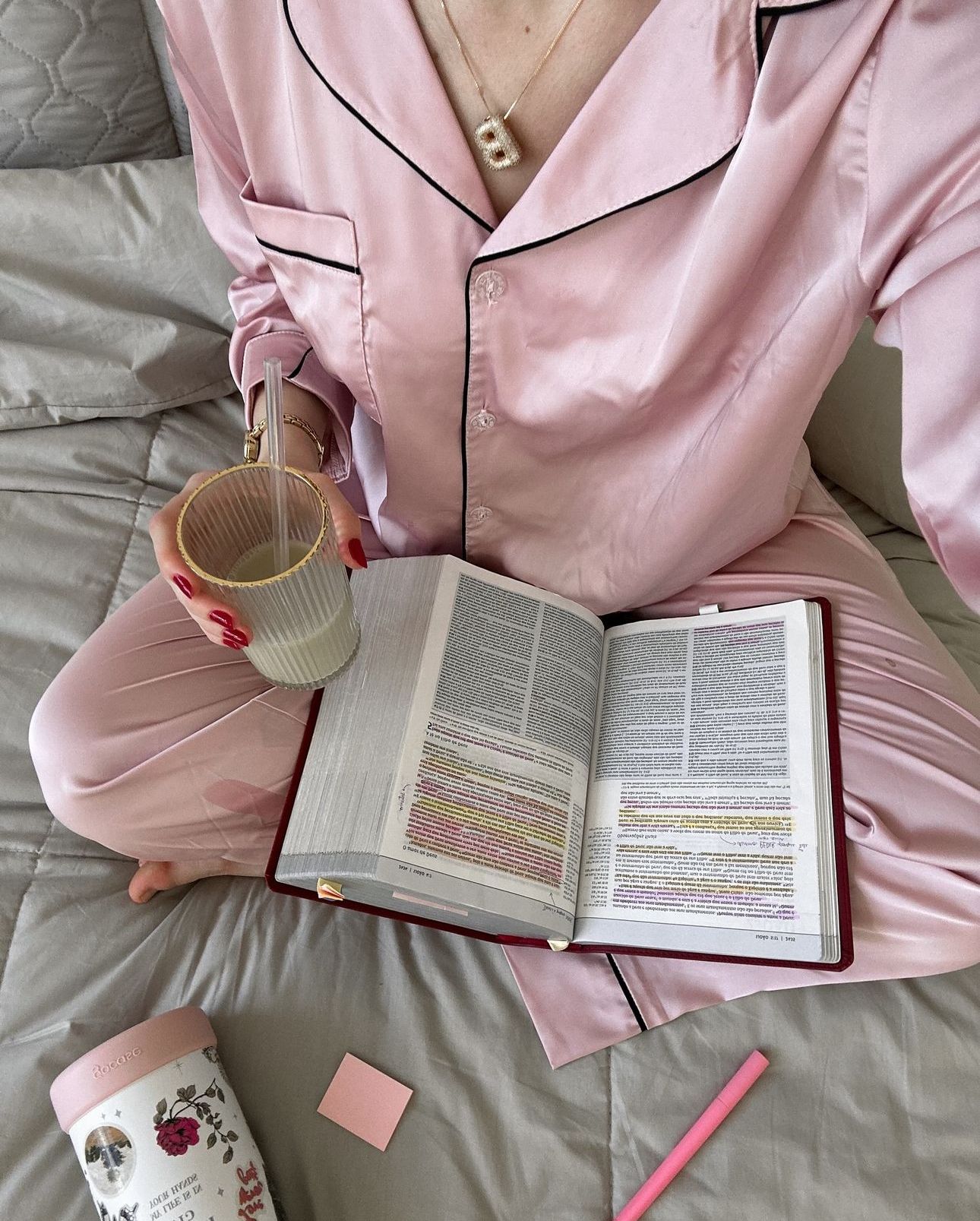
Tea Ritual for Better Sleep: 7 Evening Practices for Light Sleepers

Light sleepers already know that sleep doesn't arrive on command. The slightest sound, a stray thought, or a body that just won't settle — and the night is gone. Most sleep advice focuses on the problem (insomnia, waking, anxiety) and ignores the solution that has existed for thousands of years: a deliberate pre-sleep ritual built around warmth, stillness, and the quiet chemistry of certain plants.
This guide covers seven evidence-informed tea ceremony practices specifically designed for light sleepers — not as a cure, but as a consistent evening ritual that gradually lowers the nervous system's arousal threshold and prepares the body to accept deep sleep.

Why Tea Rituals Work for Light Sleepers
The mechanism behind tea rituals is both chemical and behavioural. Certain herbs — chamomile, passionflower, valerian, and ashwagandha among them — contain compounds that interact directly with GABA receptors in the brain, the same receptors targeted by prescription anxiolytics. But the ritual component is equally important: the act of preparing tea is a sensory sequence that trains your nervous system to associate specific inputs (warmth, fragrance, quiet) with the physiological state of safety and sleep onset.
A 2017 systematic review in Sleep Medicine Reviews found that chamomile extract significantly improved sleep quality in elderly adults, with effects sustained across four weeks. The mechanism: apigenin, chamomile's primary active compound, binds to GABA-A receptors, producing a mild anxiolytic effect that lowers sleep onset time without the next-day sedation of pharmaceutical alternatives.
The 7 Tea Ceremony Practices for Light Sleepers
1. Choose the Right Tea (The Chemistry Matters)
Not all teas calm the nervous system. Some are stimulating (green tea, black tea, matcha all contain caffeine that has a 5–7 hour half-life). For light sleepers, the following are the most evidence-supported options:
| Tea | Active Compound | Primary Effect | Best For |
|---|---|---|---|
| Chamomile | Apigenin | GABA-A agonist, mild anxiolytic | Racing thoughts, sleep onset |
| Passionflower | Chrysin, Vitexin | Increases GABA, reduces anxiety | Anxiety-driven light sleep |
| Valerian root | Valerenic acid | Inhibits GABA breakdown | Difficulty staying asleep |
| Ashwagandha | Triethylene glycol | Lowers cortisol, adaptogenic | Stress-related night wakings |
| Lemon balm | Rosmarinic acid | Reduces cortisol, calms amygdala | General relaxation, pairing with chamomile |
2. Time It Right: The 90-Minute Window
The ideal window to begin your tea ritual is 90 minutes before your target sleep time. This serves two purposes: the active compounds in sedative herbs reach peak blood concentration approximately 60–90 minutes after ingestion, and the ritual itself — the preparation, the warmth, the stillness — gives the nervous system time to begin its descent from the arousal levels of the day.
Beginning too late (30 minutes before bed) means the herbal effects haven't peaked. Beginning too early means the window passes. For most light sleepers aiming for a 10:30 PM sleep time, starting the ritual around 9:00 PM is the physiologically optimal choice.
3. The Preparation as Mindfulness (The Nordic Approach)
In Nordic wellness culture — particularly in Finnish and Norwegian homes — the preparation of a warm drink before bed is not a task to be rushed. It is treated as the beginning of rest itself. The kettle's sound, the scent of the herbs, the warmth of the cup: each sensory input signals to the nervous system that demands are ending. This is sensory anchoring: pairing specific sensory inputs with a desired physiological state so consistently that the sensory inputs alone begin to trigger the state.
To do this intentionally:
- Boil the kettle without checking your phone during the wait
- Inhale the steam once the tea is poured — the olfactory system has a direct pathway to the amygdala, and calming scents (chamomile, lavender) measurably reduce amygdala activation
- Hold the cup with both hands — warmth in the hands measurably lowers perceived stress
- Sit, don't stand — the physical transition to a seated, comfortable position is part of the ritual, not a formality
4. Dim All Lights Before Brewing
Light is the single most powerful suppressor of melatonin. Even moderate overhead lighting (above 10 lux) significantly delays melatonin onset. Before beginning your tea ritual, dim all lights in the room or switch to warm, low-intensity lighting. Candlelight (approximately 1–2 lux) is ideal — it creates the dim, warm environment that triggers the pineal gland to begin melatonin release while you're still conscious and performing the ritual.
This is why the tea ceremony and the lighting environment should be thought of as one system, not two separate habits.
5. Pair the Tea with a Body Scan
A simple 5-minute body scan while drinking your tea compounds the ritual's effectiveness significantly. Begin at the feet and work upward, pausing at each area to notice any held tension and consciously soften it. This is not meditation — it requires no special skill. It is a systematic survey of where the body is holding the day.
Research published in Sleep (Ong et al.) found that body scan practice combined with sleep hygiene education reduced sleep onset time by an average of 14 minutes — a substantial improvement for light sleepers for whom the first 15 minutes of lying down is often the most anxious period.
6. One Sentence of Intentional Closure
Before your last sip, write or say aloud one sentence that closes the day. This does not need to be a gratitude practice or a productivity reflection. It can be as simple as: "I did what I could today, and it is enough." The purpose is to create a psychological boundary between the open cognitive loop of the day and the closed state required for sleep. Research on the Zeigarnik effect — the tendency of incomplete tasks to occupy working memory — shows that explicitly naming a stopping point reduces overnight cognitive intrusion.
This pairs naturally with the 5-minute evening ritual we cover in our sister guide.
7. Leave the Cup Unwashed Until Morning
This one is psychological rather than physiological. Leaving the cup intentionally — knowing you'll wash it tomorrow — is a small act of permission to stop. For light sleepers who struggle with the mental load of unfinished tasks, this tiny permission-giving gesture reinforces that the day is genuinely over. The cup will wait. You don't have to.
Building the Full Evening Wind-Down
The tea ritual works best as part of a broader sleep hygiene system. On its own, it is a meaningful improvement for light sleepers. Combined with consistent sleep timing, a dark and cool bedroom, and reduced screen exposure in the 60 minutes before bed, its effects compound significantly.
"The ritual is the bridge between the day's demands and the night's rest. Cross it slowly."
Which Tea to Start With
If you're new to herbal teas for sleep, start with chamomile. It is the most studied, the most widely available, and the gentlest entry point. Brew it strong (two tea bags or a tablespoon of loose leaf per cup, steeped for 7–10 minutes) — most light sleepers who say chamomile doesn't work for them have been brewing it too weak for too short a time.
Once you find that chamomile helps, consider adding passionflower or lemon balm for an enhanced effect, or move to an ashwagandha blend if stress and cortisol are the primary drivers of your sleep disruption.
Conclusion: Ritual Before Rest
Light sleepers often search for a single fix. The tea ritual is not that — but it is something more durable: a consistent, pleasurable signal to the nervous system that safety and rest are available. Do it for two weeks before evaluating. The nervous system learns slowly, but what it learns, it keeps.
To build a complete evening system, explore our guides on why you wake up at 3 AM, the breathing techniques for anxiety that work before sleep, and the full sleep hygiene checklist.