Why Do I Wake Up at 3 AM? Understanding Sleep Fragmentation
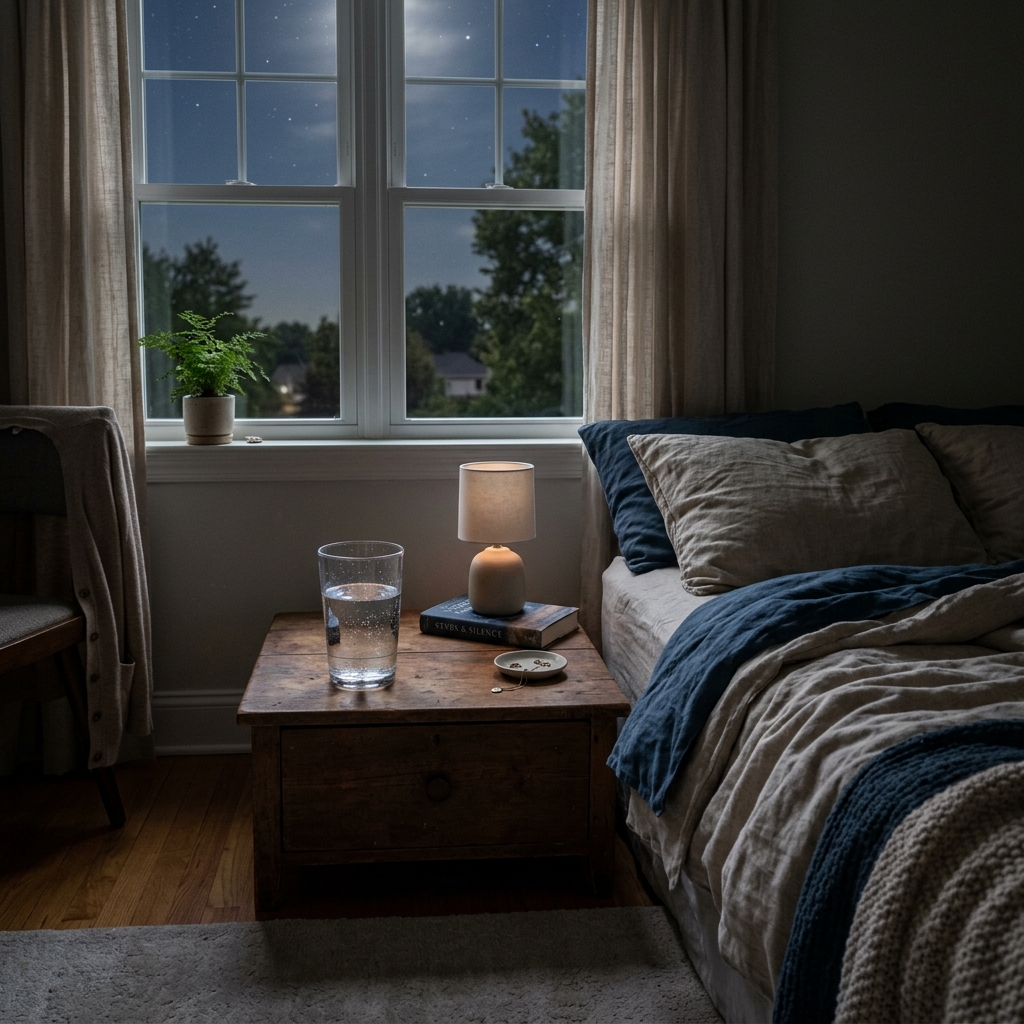
It is a frustrating and incredibly common pattern: you fall asleep easily, only to find yourself wide awake at 3:00 AM, staring at the ceiling as your mind races with worry. This phenomenon, known as middle-of-the-night waking or sleep fragmentation, is not a personal failure. It is a biological event driven by hormone fluctuations, sleep architecture, and stress biochemistry.
The Blood Sugar Rollercoaster and Cortisol Spikes
One of the primary physiological triggers of waking up at 3 AM is a drop in blood sugar. When you consume a high-sugar dinner or drink alcohol in the evening, your body experiences a rapid spike in blood glucose followed by an equally dramatic crash in the middle of the night. To save your brain from low glucose levels, your adrenal glands release a surge of cortisol and adrenaline. These hormones act as a physiological alarm system, raising your heart rate and bringing you immediately into a state of alert wakefulness.
A clinical study by Spira et al. (2014) highlights that chronic sleep fragmentation is closely linked to altered autonomic activity. When your body is forced to release stress hormones to stabilize your blood sugar during sleep, it disrupts your deep rest cycles, leaving you feeling fatigued and anxious the next day.
The Architecture of Sleep Cycles: The Shift to Light Sleep
Your sleep is structured in 90-minute cycles that alternate between deep non-REM sleep and light REM (rapid eye movement) sleep. During the first half of the night, your brain prioritizes deep, physically restorative sleep. However, as you cross into the early morning hours, the proportion of light REM sleep increases. By 3:00 AM, you are naturally transitioning between sleep cycles in a much lighter state of sleep, making you highly susceptible to waking up from minor sensory inputs or internal hormonal shifts.
How to Drift Back to Sleep Without Screen Time
If you do wake up, how you respond determines whether you return to sleep or remain awake for hours. Follow these evidence-based steps:
- Don't Check the Time: Knowing the exact time immediately activates your cognitive planning centers, fueling anxiety about how tired you will be.
- Stay in the Dark: Avoid turning on bright overhead lights, which tell your master clock that it is daytime.
- Activate the Parasympathetic Response: Focus on somatic, body-centered breathing to lower your heart rate.
If your mind is spinning, you can rely on the silent, tactile breathing exercises in Hvile. Hvile features a screen-free nocturnal companion mode that lets you follow soft haptic vibrations on your phone. This guides you through deep, stabilizing breaths in the dark, gently shifting your nervous system back into a restful parasympathetic state without bright screen glare.
To further protect your sleep, explore the biological role of nutrition in our Magnesium for Sleep Guide and optimize your bedroom environment using our Sound Therapy for Sleep Tutorial.